

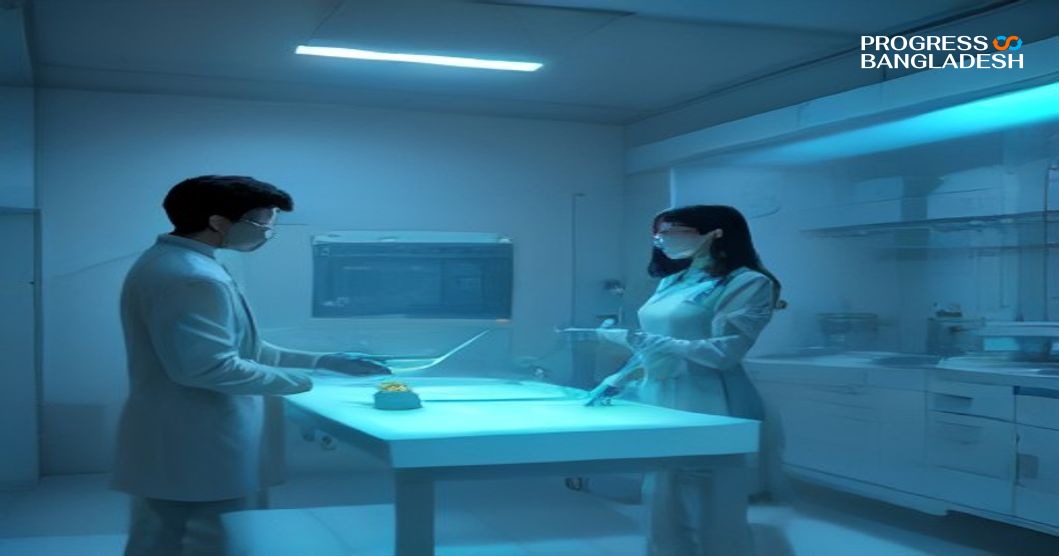
A Strategic Leap into the Digital Frontier
Bangladesh is currently witnessing a paradigm shift in its economic and technological landscape. Traditionally celebrated for its robust manufacturing and agricultural sectors, the nation is now aggressively pivoting toward the frontiers of the Fourth Industrial Revolution. In a significant move toward this future, Bangladesh has expressed a strong interest in partnering with Oman to develop its Artificial Intelligence (AI) and biotechnology sectors. This initiative, recently highlighted by Arab News, represents a sophisticated approach to international cooperation, focusing on knowledge exchange and the co-development of cutting-edge solutions.
The pursuit of Omani partnership is a calculated step in Bangladesh’s broader strategy to diversify its economy. By focusing on high-growth areas like AI and biotech, the country is positioning itself not just as a consumer of global technology, but as a potential hub for innovation in South Asia. This collaboration aims to leverage the unique strengths of both nations, creating a synergy that could redefine regional technological standards. For Bangladesh, this is about building the infrastructure of tomorrow, ensuring that the next generation of professionals is equipped with the tools and expertise required to thrive in an increasingly automated and biologically advanced world.
The Power of Artificial Intelligence in National Growth
Artificial Intelligence stands at the core of this new partnership goal. As Bangladesh moves toward its vision of a ‘Smart Bangladesh,’ the integration of AI into public and private sectors becomes paramount. The collaboration with Oman is expected to facilitate the transfer of technical know-how and the establishment of joint research initiatives. AI has the potential to revolutionize various sectors within Bangladesh, from optimizing logistics in the bustling port cities to enhancing the efficiency of the ready-made garment industry through predictive analytics and automated quality control.
Furthermore, the application of AI in governance and urban planning can lead to smarter cities, more efficient energy grids, and improved public service delivery. By seeking Omani expertise, Bangladesh is looking to adopt best practices in data management and algorithmic transparency. This partnership isn’t just about importing software; it’s about fostering an ecosystem where local developers and engineers can collaborate with international experts to create AI solutions tailored to the specific needs of the Bangladeshi population. The focus remains on ethical AI development that prioritizes social well-being and economic inclusivity.
Advancing Biotechnology for Sustainable Solutions
Parallel to the focus on digital intelligence is the emphasis on biotechnology. As reported by Arab News, the interest in biotech collaboration underscores a commitment to scientific excellence that could have profound impacts on healthcare and agriculture. In a country where food security and public health are top priorities, biotechnology offers a suite of tools to address complex challenges. Through joint ventures with Omani institutions, Bangladesh can accelerate its research into climate-resilient crops, bio-fertilizers, and advanced pharmaceutical manufacturing.
The biotech sector holds the key to developing new treatments and vaccines, a field where Bangladesh has already shown significant promise. By partnering with Oman, the nation can enhance its laboratory capabilities and clinical research standards. This cooperation could lead to the development of specialized medical treatments that are both effective and affordable. In the realm of agriculture, biotechnology can help in creating varieties of rice and other staples that can withstand salinity and drought, ensuring that the nation’s farmers remain productive despite environmental changes. This scientific approach to progress ensures that the benefits of growth are felt directly by the people in their daily lives.
Synergy Between Two Nations
Oman’s Vision 2040 and Bangladesh’s long-term development goals share a common thread: the transition to a diversified, sustainable, and technology-driven economy. This alignment makes the two countries natural partners in the high-tech arena. Oman has been making significant strides in digital infrastructure and research funding, providing a wealth of experience that Bangladesh can draw upon. Conversely, Bangladesh offers a massive, young, and increasingly tech-savvy workforce, along with a rapidly growing market that is hungry for innovation.
This partnership is envisioned as a two-way street. While Bangladesh seeks to learn from Oman’s strategic investments in science and technology, it also offers a platform for Omani firms to expand their reach and collaborate on large-scale projects. The exchange of researchers, students, and entrepreneurs between the two nations will likely become a cornerstone of this relationship, fostering a cultural and professional bond that transcends traditional trade. By working together, both countries can enhance their global standing in the tech community, proving that emerging economies can be leaders in the most advanced fields of human endeavor.
Building a Knowledge-Based Workforce
One of the most significant outcomes of such international cooperation is the development of human capital. The focus on AI and biotechnology necessitates a workforce that is highly skilled in STEM (Science, Technology, Engineering, and Mathematics) fields. The proposed partnership with Oman includes provisions for training programs and academic exchanges that will benefit thousands of Bangladeshi students and professionals. This investment in people is perhaps the most sustainable form of progress, as it creates a self-sustaining cycle of innovation and economic growth.
As these sectors grow, they will create high-value jobs that encourage the nation’s brightest minds to stay and contribute to domestic development. The ripple effects of a thriving biotech and AI sector will be felt across the education system, as universities update their curricula to meet the demands of these new industries. This evolution in the labor market is essential for Bangladesh to escape the middle-income trap and emerge as a high-income, knowledge-based economy in the coming decades.
Conclusion: A Vision of Shared Prosperity
The move to seek Omani partnership in AI and biotechnology is more than just a diplomatic gesture; it is a strategic blueprint for the future of Bangladesh. It reflects a nation that is confident, forward-looking, and ready to engage with the world on the basis of innovation and mutual respect. As these plans move from discussion to implementation, the impact on the nation’s technological landscape will be profound. By embracing the possibilities of AI and the life-saving potential of biotechnology, Bangladesh is not just preparing for the future—it is actively building it. This journey toward scientific excellence, supported by strong international alliances, ensures that the progress of Bangladesh remains steady, sustainable, and inspiring for the global community.
Source: news.google.com